
The Modern React Stack Explained for 2026
A comprehensive overview of the best React libraries and tools in 2026, including Next.js, TanStack Start, Zustand, React Hook Form, Tailwind CSS, and more.
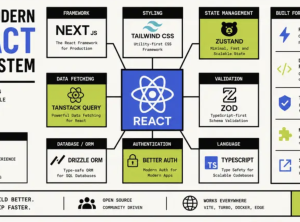
A comprehensive overview of the best React libraries and tools in 2026, including Next.js, TanStack Start, Zustand, React Hook Form, Tailwind CSS, and more.
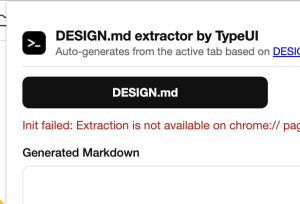
The creator of Flowbite built a Chrome extension that helps you extract styles from any website and generate DESIGN(.)md or SKILL(.)md files
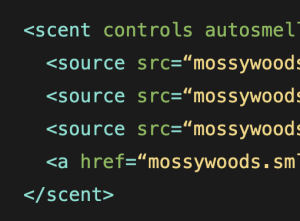
A lot has happened in CSS in the last few years, but there’s nothing we needed less than the upcoming Olfactive API. Now, I know what you’re going to say, expanding the web in a more immersive way is a good thing, and in general I’d agree, but there’s no generalized hardware support for this yet and, in my opinion, it’s too much, too early.

Website development is shifting from traditional engineering-heavy workflows to a new model where non-technical users can build full applications using AI-driven tools and simple command-based inputs. This approach is often referred to as vibe coding — focusing on intent and outcome rather than syntax and implementation.

CLI coding tool that generates design system specification and style guides for agentic programs like OpenCode, Claude Code, Codex, Cursor, and more.
There isn’t just one way to build. For the best ideas to move forward, we need the power of code and the canvas. Claude Code to Figma is just one way we’re giving builders more choice.

Modern frontend development has shifted heavily toward custom design systems. Teams no longer want off-the-shelf UI kits that dictate colors, spacing, and layout. Instead, they want full control over styling while still getting:
Claude Sonnet 4.6 is our most capable Sonnet model yet. It’s a full upgrade of the model’s skills across coding, computer use, long-context reasoning, agent planning, knowledge work, and design. Sonnet 4.6 also features a 1M token context window in beta.

AI agents generate 98% more PRs but reviews take 91% longer. The work didn’t disappear — it moved. A synthesis of eight perspectives on where it actually went.

As an aside, I received a lot of positive feedback on that essay, thank you! (And I’m sorry that I still haven’t responded to some of you. My inbox is a disaster for a variety of reasons.) The wild thing is that I received zero negative feedback. My pet theory is that it was simply too long and nuanced for casual drive-by critics and that anyone who stuck with it did so…