
How to Run MCP Servers with Docker
When working with Model Context Protocol (MCP) servers, each one might require its own setup, tools, or environment. For a deeper dive into MCP server development tools, check out our detailed guide here.
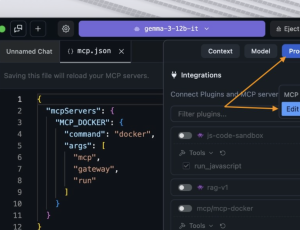
When working with Model Context Protocol (MCP) servers, each one might require its own setup, tools, or environment. For a deeper dive into MCP server development tools, check out our detailed guide here.
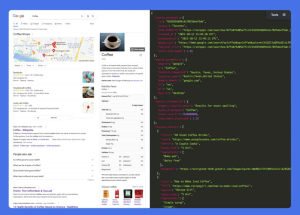
Get structured search data without fighting captchas and build faster with simple, real-time API calls.
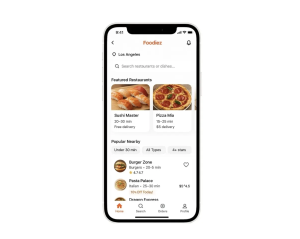
Anthropic Claude is a primary competitor of OpenAI’s ChatGPT. Just like ChatGPT this is versatile tool that can be use used in many different purposes but there is an area where Claude shines and this area is coding. Claude is great at code-adjacent design tasks and can be used as a nice supporting tool for everyday product design activities.
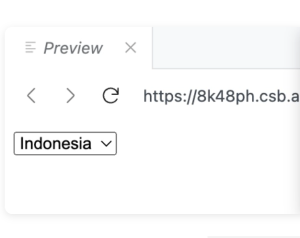
The <select> element is one of the most common form controls on the web, but it has always been one of the hardest to style. That’s because browsers just let the OS decide how it looks, especially for the dropdown list and arrow icon.

I’ve written quite a lot recently about how I prepare and optimise SVG code to use as static graphics or in animations. I love working with SVG, but there’s always been something about them that bugs me.

Every season has a distinct vibe. People celebrate them by wearing seasonal colors and delighting in traditional flavors. Autumn appears to have taken over as a favorite time of year for many. Pumpkin spice, anyone?

Web development has become a team collaboration a lot deeper than just writing computer code. It includes designing user experience, to responsive interfaces, to backend development, to customer service upkeep. For businesses and agencies that operate in the fast-paced digital work environment, both creating, and maintaining high functioning websites require technical skills, and the ability to allocate resources and scale projects. This is where remote work teams have become an…
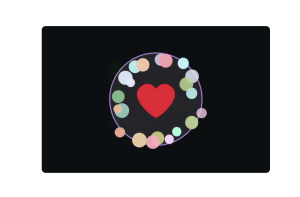
Each particle starts on a random color and changes hue as it fades out. This seems pretty straightforward, but appearances can be deceiving. In fact, I discovered a new CSS limitation I wasn’t aware of, and came up with a couple different workarounds.
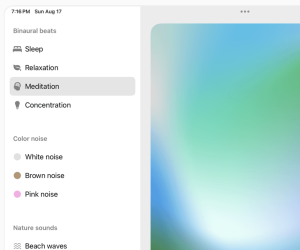
Every now and then I get an odd tendency to just go off and make something. It’s why I made a typeface. It’s why I made a mobile music app. And it’s why I made another mobile app, It Makes Noise.
With faster iteration cycles and AI tools helping people stretch further up the stack, more product builders are reinventing their roles.