
Building Adaptive SVGs
I’ve written quite a lot recently about how I prepare and optimise SVG code to use as static graphics or in animations. I love working with SVG, but there’s always been something about them that bugs me.

I’ve written quite a lot recently about how I prepare and optimise SVG code to use as static graphics or in animations. I love working with SVG, but there’s always been something about them that bugs me.

This line-drawing tendency is often visible between design and engineering. Software development tools and workflows, which can take a long time to master, have helped harden divisions between the work of designers and developers. But in the age of AI, those divisions are starting to blur and even shift.

Each particle starts on a random color and changes hue as it fades out. This seems pretty straightforward, but appearances can be deceiving. In fact, I discovered a new CSS limitation I wasn’t aware of, and came up with a couple different workarounds.
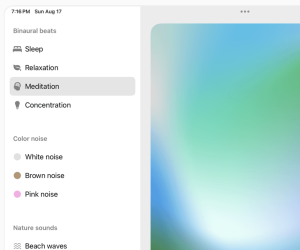
Every now and then I get an odd tendency to just go off and make something. It’s why I made a typeface. It’s why I made a mobile music app. And it’s why I made another mobile app, It Makes Noise.
With faster iteration cycles and AI tools helping people stretch further up the stack, more product builders are reinventing their roles.
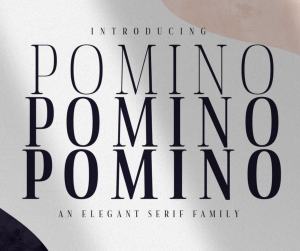
It’s time to delve into a collection of the best beautiful, modern serif fonts. Serif fonts are ideal for printed literature, detailed typography, or for creating a more formal effect. And these popular serif fonts really stand out from the crowd.
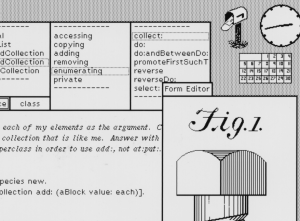
Design tokens may be the latest incarnation, but software creators have been creating themeable user interfaces for quite a long time! As with all things, we can study history to learn from our past to inform our future. So let’s dig in!
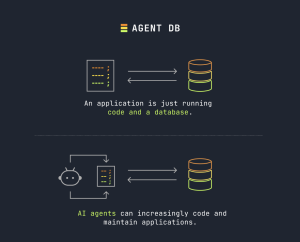
With every new technology platform, the concept of an application shifts. Consider the difference between compiled apps during the PC era, online applications during the Web, and app stores during mobile. Now with AI it’s happening again.
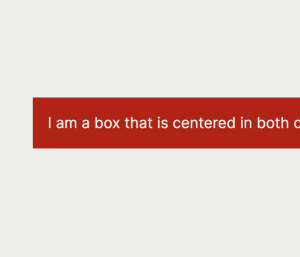
The tired old meme that centering in CSS is “impossible” has never been so irrelevant. In fact, I’d argue there’s almost too many options now.
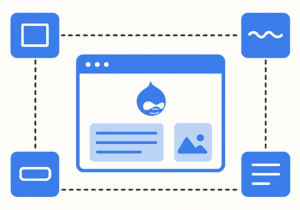
Component-based design (CBD) is a cornerstone in building scalable, maintainable, and efficient modern websites. It’s a transformative methodology that aligns with Drupal’s modular architecture and positions Drupal theming philosophy amongst the most recent best practices in architecting user interfaces.