
Personal Websites Are As Vulnerable As Us
I look at some people’s personal websites and think, “Stupendous! If I ever reach that zenith of personal web design, I will call it quits.”

I look at some people’s personal websites and think, “Stupendous! If I ever reach that zenith of personal web design, I will call it quits.”

While we’re officially closing the FID chapter in the Web Vitals program, the INP chapter is just beginning. Developers are finally taking notice of responsiveness issues that FID just wasn’t capturing. These tooling changes to remove FID help to ensure that everyone is fully transitioned off of it and using INP as the best available metric to improve interaction performance.
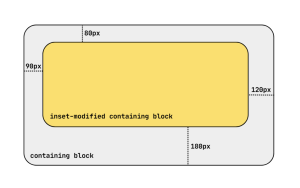
For the last month, I have tried to fully understand this new module and explain it to the best of my ability.
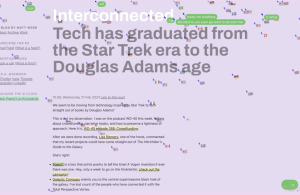
What’s the smallest thing that can help you realise that other people are here too?
I’ve been working on my portfolio website to showcase my work, and I wanted it to stand out with a touch of personality.
You might not be able to see it much in the video, but the FPS drops signficially. As a user, you can really feel this drop in performance. It
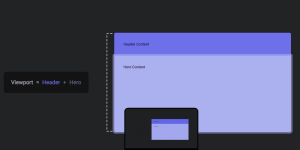
Sticky positioning is one of those CSS features that’s pretty delicate and can be negated by a lot of things, so here’s another one to add to your mental catalog: Sticky elements don’t play nicely if they have to coordinate with other elements to make up a combined height, like 100vh. Philip Braunen explores why this happens and presents a solution to fix it.
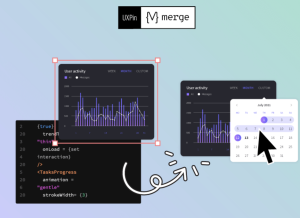
Escape siloed design and engineering processes and speed up your product development by using code as your single source of truth. Let’s explore how.
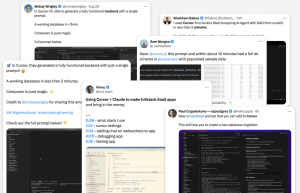
Can anyone code now? From creating full-stack applications in just 1 prompt, to rolling out entire backends with no developer, looking at twitter, it feels like anything is possible with Cursor! Or is it?

Discover the best WordPress backup solutions for your database and files. Keep your website safe and secure with these easy-to-use tools.


