
Comparing Headless and Traditional CMS: Pros and Cons for Designers
The battle between headless and traditional content management systems (CMS) is one of the biggest debates going on in the web design industry.
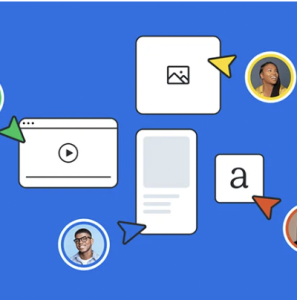
The battle between headless and traditional content management systems (CMS) is one of the biggest debates going on in the web design industry.

In today’s digital landscape, a responsive website is crucial for providing a seamless user experience across various devices. For those using Wix Studio to build their sites, ensuring that their design looks great and functions well on all screen sizes can be a challenge. Fortunately, tools like Pixefy make it easy to check and optimize the responsiveness of their Wix Studio website.

Michelle Barker is onto an excellent idea in Progressively Enhanced Popover Toggletips. Her idea is that footnotes are the perfect sort of thing to make popovers. You know popovers: It’s like when I put a superset1 number in a sentence (like I just did) and then link it down to the bottom of the post to explain something in more detail which would have been distracting detail to put in the paragraph…

Let’s explore how this principle can make your interfaces more intuitive and user-friendly.

The great thing about being a freelancer is that you’re in charge. That can also work against you, though. You make all the decisions. So, who’s to blame when something goes wrong? Just take a look in the mirror.
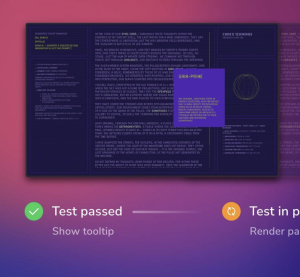
Learn how to visually test websites using Chromatic and Playwright to ensure that web interfaces remain visually consistent and free of bugs.

The primary goal of this is to provide a better user experience. I am unsure what are the implications for SEO, but I am hoping that it will be positive. I will keep you updated on this.

What are these CSS Container Style Queries, and why should you use them? Juan Diego Rodríguez delves deeply into style queries, and not at the syntax level, but at what exactly they are solving and what sort of use cases you would find yourselves reaching for them in your work if and when they gain browser support.
The web development landscape is constantly evolving and as user requirements also change, developers continue to explore ways to build frontend applications with a balance of performance, flexibility, and maintenance. JavaScript-heavy frameworks help developers build frontend applications, but they often introduce scalability and maintenance challenges and can be complex to manage.

I save many things each month that I find inspiring for some reason, and I like organized lists, so I figured I’d share those lists and maybe help someone out of a creative block.