
Design Skills for AI
Browse 90 design skills and use them to give Claude, Codex, Cursor, and other AI coding tools a consistent visual direction for generated UI.
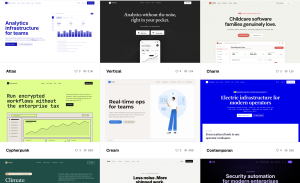
Browse 90 design skills and use them to give Claude, Codex, Cursor, and other AI coding tools a consistent visual direction for generated UI.
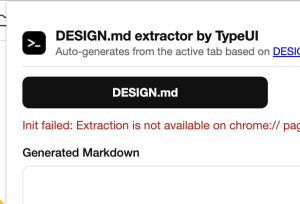
The creator of Flowbite built a Chrome extension that helps you extract styles from any website and generate DESIGN(.)md or SKILL(.)md files

Website development is shifting from traditional engineering-heavy workflows to a new model where non-technical users can build full applications using AI-driven tools and simple command-based inputs. This approach is often referred to as vibe coding — focusing on intent and outcome rather than syntax and implementation.

CLI coding tool that generates design system specification and style guides for agentic programs like OpenCode, Claude Code, Codex, Cursor, and more.
There isn’t just one way to build. For the best ideas to move forward, we need the power of code and the canvas. Claude Code to Figma is just one way we’re giving builders more choice.
In 2026, web design is no longer about polishing a website visually. Rather, it serves as an intelligent interface shaped by user behavior, real-time context, and cognitive science. Brands adopting the trendsetters on this list aren’t just chasing aesthetics— they are harnessing the hidden power of psychology, sustainable performance, and data-driven design to accelerate conversions, engagement, and retention. That being said, let’s dive deep into learning the top 10 web design…

In practice, the hard part isn’t writing code, it’s everything that comes before it. Which component should be used? Which props are correct for this case? How does this behave with keyboard navigation and screen readers? What tokens to apply?
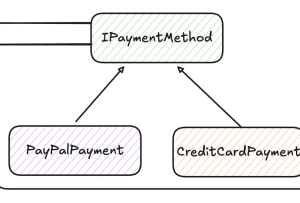
Every software engineer has seen something like this happen: you write a feature, ship it to production, and everything works great. Then, a few weeks later, you get different requirements. You have to support a new use case, but you find out that your code is not ready.

It was the only technique that didn’t require media queries or JavaScript. It works with any number of items, allowing you to easily control the size and gap using CSS variables.
What is the price of the ‘human touch’ in creativity? Brands are deciding whether to choose ‘real’ or artificially generated content, and audiences are weighing in. For some, the proof is literally in the process – which means behind-the-scenes content is no longer optional.