A simple, perfectly timed design decision
A few days ago, I opened my finance app to check my card details. Nothing unusual about that. Except this time, I was already on a call.
Accessibility leaders are frequently on the defensive. We’re brought into the room after the design is finished, the code is written, prototyped, or in beta. Every accessibility leader’s nightmare is to find out about inaccessible products by way of litigation after the inaccessible product is already live. With the pressure to ensure WCAG conformance, reduce legal risk, and protect disabled users from harm, it’s easy to default to one word: no….
TLDR: This is the year that AI has taken over UX. In this article, I explain why and give an update on my method of using AI for UX research, focussing on how ChatGPT’s Deep Research functionality can enable a significant acceleration of qualitative research analysis.
Hope this week so far is a good one for you! This newsletter is packed with goodies I’m sure you’ll enjoy.
The revamp, which will roll out in the US in the coming weeks, will let you ask finance-related questions of the web app’s built-in chatbot, which will serve up an AI-generated answer alongside relevant links. There are also new charting tools that Google says go beyond helping you visualize “simple asset performance” with options to view technical indicators or display candlestick charts.
Like many designers early in their careers, I believed my role began and ended with wireframes, pixels, and prototypes. My manager thought otherwise. He was obsessed with UX analytics. Every design change came with the same question — “What changed? Did conversions improve?”
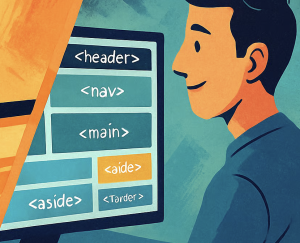
This guide focuses on how to structure and present UX requirements so they’re both practical and insightful. When developers understand the “why” behind each UX choice, they’re far more likely to implement the “what” successfully. And that translates into fewer do-overs, less confusion, and happier end users.
TLDR: This is the year that AI has taken over UX. In this article, I explain why and give an update on my method of using AI for UX research, focussing on how ChatGPT’s Deep Research functionality can enable a significant acceleration of qualitative research analysis.
Images are a powerful way to clarify complex ideas, reinforce content, and make the web more engaging. But if they aren’t accessible, some people will miss part of the story.
Before you dive deep into this week’s episode, here’s an important announcement on the future of Fundament we’d like you to read.