
Build a scroll spy in 2 lines of CSS
Build a scroll spy in 2 lines of CSS with scroll-target-group and :target-current
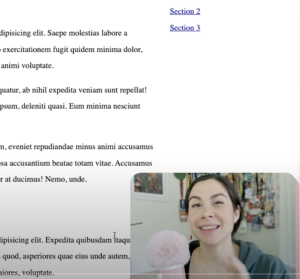
Build a scroll spy in 2 lines of CSS with scroll-target-group and :target-current
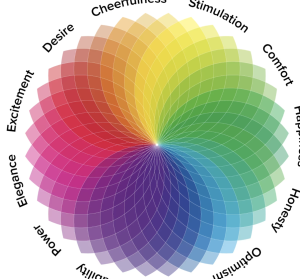
Rodolpho Henrique guides you through the essential aspects of color in digital design and user experience, from the practical steps of creating effective and scalable color palettes to the critical accessibility considerations. You will explore the psychological impact of different hues and learn how to strategically leverage color to evoke specific emotions, enhance user experience, and understand why thoughtful color choices are essential for successful digital products.
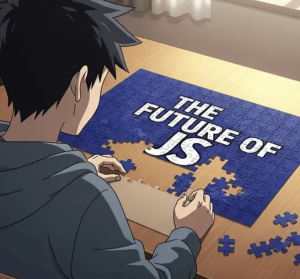
JavaScript continues to evolve rapidly, driven by the work of TC39 and active contributors like the Deno team. At the recent 108th TC39 meeting, nine proposals moved forward across stages — from early concepts (Stage 0) to fully standardized features (Stage 4).

Navigating an unfamiliar city without the aid of Google Maps or any navigation tool can be a challenging experience. A person would have to guess every turn and constantly stop to check signs and would probably take a few wrong turns, wasting time and fuel. But with Google Maps’s guidance in real-time—highlighting traffic, recalculating routes, and providing clear directions—a driver could move forward confidently, making better decisions and reaching destinations…

Dribbble exists to help designers generate and convert leads. Our success depends on increasing both the number of designers who receive leads and the number of leads each designer receives. Designers will share their work, advertise their services, and transact through the platform only if they expect to land more clients as a result.

Across higher education globally, institutions are reimagining how to prepare students for a digital-first world. As part of that movement, Adobe is proud to recognize the inaugural Adobe Creative Campus Innovators — nine standout universities selected by Adobe that are leading the way in engaging students deeply with Adobe’s creativity, productivity, and AI tools across disciplines.
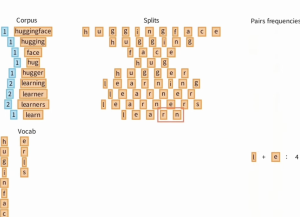
In this post, we highlight the desire to replace tokenization with a general method that better leverages compute and data. We’ll see tokenization’s role, its fragility and we’ll build a case for removing it. After understanding the design space, we’ll explore the potential impacts of a recent promising candidate (Byte Latent Transformer) and build strong intuitions around new core mechanics.
Motion is critical for how a product feels. It guides attention, reinforces brand personality, and can make an interface feel more responsive. Motion has been a core part of my design process, going way back to the days when Principle was king.
One could be forgiven for being slow to adopt all these new-fangled CSS features. After all, do we really need them? And even if we do, do they even work reliably across browsers?
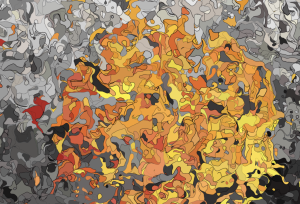
There’s some fun computational geometry in my latest artwork, and in this article I’ll walk through how I take a scramble of disconnected paths and turn them into closed shapes, using half-edges and a planar graph.