
Spotify Introduces New Features
Spotify launches Countdown Pages for audiobooks, enhancing discovery and pre-saves for listeners and driving pre-release buzz for creators.

Spotify launches Countdown Pages for audiobooks, enhancing discovery and pre-saves for listeners and driving pre-release buzz for creators.
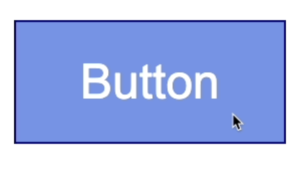
You Want border-color: transparent, Not border: none by Dave is a great reminder to not remove borders from components for accessibility reasons, especially to better support high contrast mode.
UX research without users isn’t research. We can shape design ideas with bias, assumptions, guesstimates, and even synthetic users, but it’s anything but UX research. Yet some of us might find ourselves in situations where we literally don’t have access to users — because of legal constraints, high costs, or perhaps users just don’t exist yet. What do we do then?

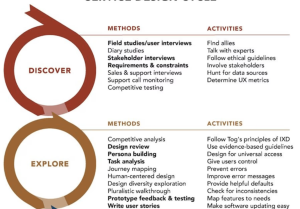
In the enchanting world of User Experience (UX) design, the Discovery Stage is where the journey begins. It’s akin to setting sail on an adventure, armed with a compass of creativity and curiosity.
UI design is a critical factor that can often make or break a successful developer tool. Whether you’re creating a tool for designers, engineers, creatives, or any other tool tailored for developers, this post is for you. (Even if you’re not a designer!)

The margin property of CSS is just a way to push other elements away. It’s very common and doesn’t feel particularly problematic. On the other hand… maybe it is?

Sustainability is an approach to design and development that focuses on environmental, social, and financial factors that are often never addressed.
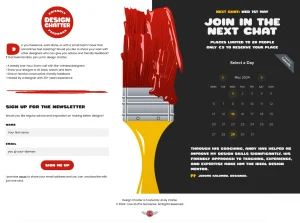
Early on in the design, the need arose for a liquid three-column layout which featured two flexible outer columns and a fixed-width centre column, not a layout commonly seen implemented with CSS. I also wanted the centre column to be fixed in the browser window and so not move with the scroll.
In the design world, there’s an inconvenient truth that every product has a shelf life. Whatever product you’ve poured your heart into designing, there’s a time when that version will no longer be relevant. This end date is inevitable and based on many uncontrollable factors, such as technological advances, innovation, or evolving aesthetic tastes.

All design schools have one problem > they don’t prepare you for real life events and basic adaptability and soft skills needed to survive in a corporate environment…so that plus a little design experience applied to real world problems (which include the collision of business and design, even if people don’t want to admit it), will derive in fast growth at the beginning.


