State of CSS 2025
Hope you’re having a good week so far. This edition I loved the deep dive into the State of CSS 2025 results, with :has() rightly in the spotlight.
If you’ve ever opened a B2B app and felt like you were fighting a maze of menus, tabs, and dashboards — you’re not alone. Traditional navigation was once the backbone of digital products. But today, it feels less like guidance and more like a tax. Every click, every search, every hover-over is a micro-burden that slows people down.
A few days ago, I opened my finance app to check my card details. Nothing unusual about that. Except this time, I was already on a call.
A recent study reveals why well-designed AI explanations often go unused and what it means for UX practice
Think “user” and “customer” are the same thing? Think again. Confusing the two could be the silent killer of your product—and your profits. Here’s why designing for the wrong journey could cost you everything.
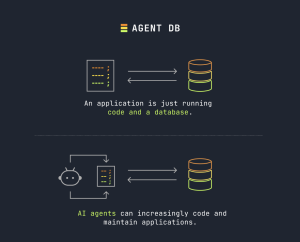
A vital shift is underway in software development, one that redefines how we build, but also who we are as developers. In recent interviews we spoke with 22 developers that already use AI tools heavily in their workflow, and learned how they got there, how their craft has changed, and where they see things going.
Build an app, test an interaction, or bring an idea to life—with a simple prompt.
The words “Design System” and “adoption” in a conversation with higher-ups are inevitable. It’s important in organizations where you really have to sell the value of a Design System. It makes sense they care about metrics and adoption – they want to ensure their investment is paying off.
Accessibility leaders are frequently on the defensive. We’re brought into the room after the design is finished, the code is written, prototyped, or in beta. Every accessibility leader’s nightmare is to find out about inaccessible products by way of litigation after the inaccessible product is already live. With the pressure to ensure WCAG conformance, reduce legal risk, and protect disabled users from harm, it’s easy to default to one word: no….
The challenge of finding the perfect metaphor—one that’s clear, culturally sensitive, and future-proof—is what makes designing these miniature artifacts so fascinating. Look at any software interface and you’ll find a constellation of them, each trying to say something without saying a word. Early software icons mimicked real-world objects—phones, disks, folders—and as software matured, so did metaphors with stripped details. Reduced to a minimum, they became more abstract and conceptual representations.