
Building Adaptive SVGs
I’ve written quite a lot recently about how I prepare and optimise SVG code to use as static graphics or in animations. I love working with SVG, but there’s always been something about them that bugs me.
Welcome to Fundament, a bi-weekly product design newsletter where we share actionable tips and insightful stories with the worldwide design community. Join 2,200+ readers and grow as a UX and product designer with us!
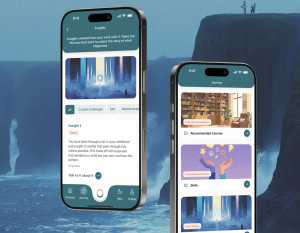
Applications that manifest on demand. Interfaces that redesign themselves to fit the moment. Web forms that practically complete themselves. It’s tricky territory, but this strange frontier of intelligent interfaces is already here, promising remarkable new experiences for the designers who can negotiate the terrain. Let’s explore the landscape:
Your skill gap isn’t always obvious. There are skills that most UX bootcamps never point out or add to their curriculum, and these skills low-key make the difference between a good designer and a great one.
What if your business could reclaim thousands of hours every month, without hiring a single new employee? That’s the reality forward-thinking enterprises are achieving today with AI Business Process Automation (AI-BPA).
If you’re trying to decide what to use and when, keep reading. We’ll break it down clearly. Short phrases. Clear separation of ideas.
Learn how to make a modern CSS pulse animation using only HTML and CSS and use this for video play buttons in your websites.
Double-clicking is a clunky gesture from the floppy disk era that has no place in modern UX. As interfaces evolve toward AI, touch, and simplicity, it’s time to finally bury the double-click for good. If you’re still designing for it, you’re designing backwards.
Local throughput optimization always externalizes costs onto downstream colleagues.
Practical ways to defend your design: adapt process to context, back choices with evidence, expose work early, and speak stakeholder language.